
 Dr Catherine Zahn
President, CEO of CAMH and Professor, Faculty of Medicine University of Toronto.
Interview with Steve Paikin on TVO’s The Agenda. 9 sep 2011
Selected excerpts:
[link to the podcast at the end]
Understanding what leads to mental illness
..” there’s an amazing interplay between genetic disposition, environment, early childhood experiences, neurodevelopmental experiences, the nature of your in-utero environment, nutritional environment, the experiences that you have in early childhood that develop healthy or unhealthy brain connections”.
“there’s a growing awareness that there are occurrences in one’s environment that enhance that predisposition, the development of stressful situations later in life can trigger them [mental illnesses]
“…mental health needs to be part of a conversation about healthcare and health in general…
“… there’s an enormous burden of illness …individuals, families the economy. We need to consider this as part of the centrality of health in our society and approach it as we do other health issues..
From chemical imbalance to badly wired house?…
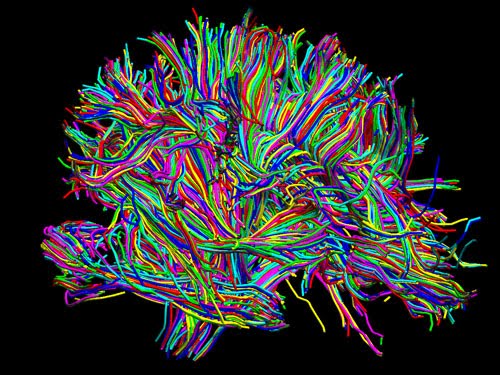
“We started of talking about genetics – genetic predisposition and…if you think back about a decade there was a log of language about mental illness being related to a ….chemical imbalance…and er if I can give you a little lesson it’s true that what goes on in the brain happens through chemical signals.. but what we know now is that those are dependent on the big bundle of electrical cables – that make up most of your brain and until recently we thought that once you were an adult all that was fixed, immutable, it was written in stone.
“But the fact is research has shown that those connections amongst various parts of the brain can change – you can retune your brain circuits. even in adulthood. We know that they change in an unhealthy way as a result of a traumatic even. Thus the importance of understanding trauma in childhood years as a predisposing factor leading to mental illness.
 “And we know from brain imaging studies that they can change in a positive way as a result of talking therapy, for instance. They can certainly change in response to medications and external stimuli .
 Paikin – when you say “traumatic event” you’re not talking about a car crash or something, you mean divorce, bullying, something like that?
“All of the above. All of the above.
We knew nothing
“We understand a lot more about the brain now.
We still know nothing
“It is the final frontier of understanding the way the human body works , certainly the bart of the body that defines who we are as human beings there’s still a lot to be discovered The bulk of what we learned about the human brain has been in only the last several decades..so there’s still al long way to go . The impact on the brain is still what we don’t completely understand and there’s still a lot to do.
Cure?
Zahn gets excited when asked about cure.
Paikin: “You’re careful not to use the word, you don’t talk about cure?”
“You’ll be having me back in a year and we can talk about that.”
What people talk about is “recovery”
And, like if she says it enough she might believe, one day…
“Another change has been the way we view the possibilities for people with mental illness and the options for treatment. And …the assumptions that we make about people with mental health diagnoses.
“What people now talk about is ‘recovery’ ” people live with those conditions [bipolar, schizophrenia] and they can have very good lives ….
“…thus the move to support people in society with the appropriate level of housing, income support so that they can have a good life.
Property Development
Zahn comes alive as she moves to talk about Queen St site redevelopment –
” the wall has gone, the street’s going through, we’re integrated into the city.
Paikin: Do you have a gift shop yet?
“We do not … but we have buildings opening in June and I’m committed to either a mainstream market street or a city centre area where we can rectify that.
Interesting, maybe even revealing -without actually saying so – that medicine and CAMH is now looking to find some real science on which to base it’s deliberations about other people’s lives.
Signs of progress, then, and of at least talking about adopting a broader perspective. And, who knows, maybe that $30 will pay for some real science.
Still, tis a shame that the CEO of our largest mental health institution comes alive the most when talking of her commitment to create retail opportunities.
Exit through the giftshop
So, all that development is for a giftshop? that’ll be nice.
New for 2012:
Pop in for a quick rewiring job, a cuddly toy – and a grande to go, then?
Watch for yourself… http://ww3.tvo.org/video/169042/catherine-zahn-rewiring-brain










































 agnotarte
 dave umbongo
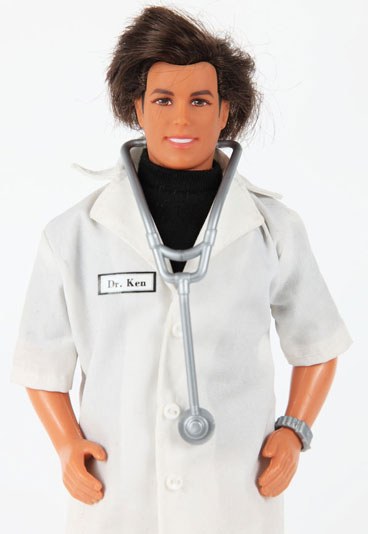
 drkenplacebo
 highfellow
 recoverynetwork:Toronto



 recovery network: Toronto
You must be logged in to post a comment.